Maiden
What you need to sow
Begin the work you have only whispered about. A first small act of devotion is enough to open the door.
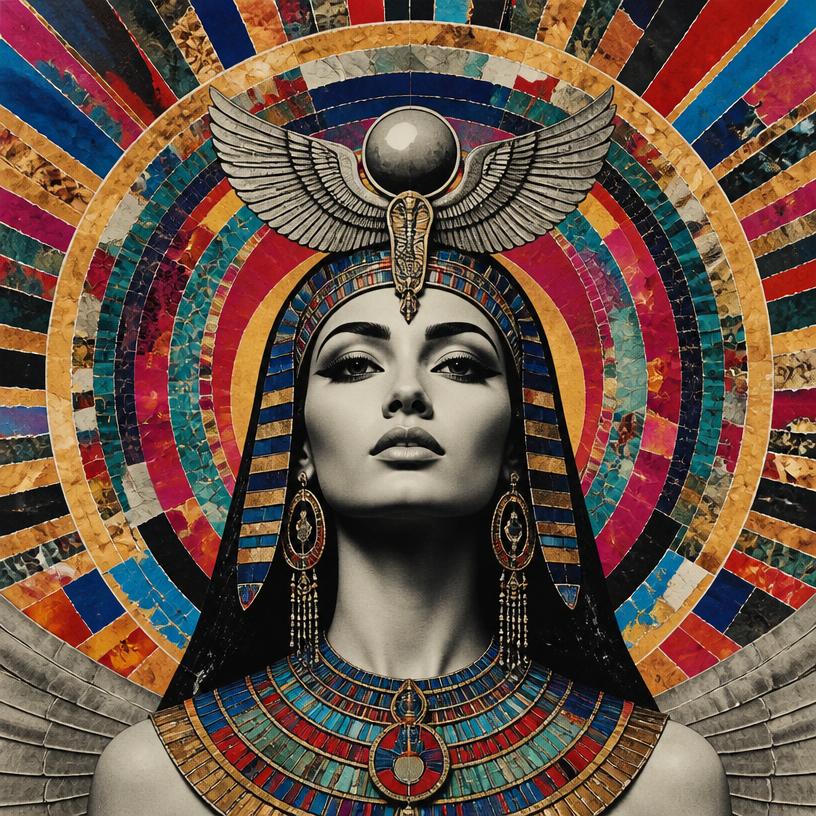
Ancient Egypt
She of Ten Thousand Names
Nile Valley, Old Kingdom (c. 2600 BCE) through the Roman Mediterranean (c. 400 CE)
Her story
goddess · Nile Valley, Old Kingdom (c. 2600 BCE) through the Roman Mediterranean (c. 400 CE)
Worshipped along the Nile from the Old Kingdom onward, Isis gathered the scattered body of her husband Osiris and breathed him back to life — the first act of magic in Egyptian myth. Her cult travelled with sailors as far as Roman Britain, where she was honoured as protector of mothers, sailors and the dead.
Egyptian texts call her weret-hekau, great of magic, because she won her power by learning a hidden name rather than inheriting it: she tricked the sun god Ra into speaking his own, and became a healer no poison could refuse. Her temple at Philae was the last working Egyptian sanctuary, still receiving offerings into the sixth century CE, and her spring Navigium Isidis blessed the reopening of the sea lanes across the whole Roman world.
In the oracle
What you need to sow
Begin the work you have only whispered about. A first small act of devotion is enough to open the door.
What you need to grow
Something in your life is in pieces. Nurture it by gathering the fragments patiently rather than demanding it be whole today.
What you need to know
You already hold the words of power. Naming a thing truthfully is how you regain authority over it.